

A batch certificate gives buyers measurable details about product quality. For tesamorelin, documented batch information can clarify identity, purity, testing methods, and reported results. Such records provide more useful evidence than polished product descriptions alone. A careful review also reveals whether testing relates to a specific production batch. Understanding these details helps separate traceable documentation from broad quality claims.
Batch Records Show Product-Specific Testing
A certificate should identify the tested batch clearly. Matching numbers connect paperwork with physical packaging. Testing dates also establish when analysis occurred. Reported results may cover identity, purity, appearance, or composition. Those details create a stronger verification trail than general marketing statements.
What Should A Certificate Include?
Useful certificates contain several recognizable details. Buyers can check whether documentation provides:
- A clear batch identification number.
- Testing dates and laboratory information.
- Reported purity or assay results.
- Applicable analytical testing methods.
- Authorized review or approval details.
Missing information can make verification harder. A complete document offers stronger traceability from production through testing.
Laboratory Methods Add Valuable Context
Numbers alone provide limited meaning without testing context. Analytical methods explain how reported findings were measured. For tesamorelin, method details can help readers understand what a stated purity percentage represents. Laboratory identification also matters because independent testing adds another layer of documentation.
Can Results Reveal Quality Concerns?
Certificate results deserve comparison rather than quick acceptance. Unexpected values may warrant closer review before purchase. Dates, batch codes, and measured specifications should align across documents. A mismatch between packaging and certificate information creates a clear verification concern. Consistent records provide stronger evidence.
Packaging Details Strengthen Batch Verification
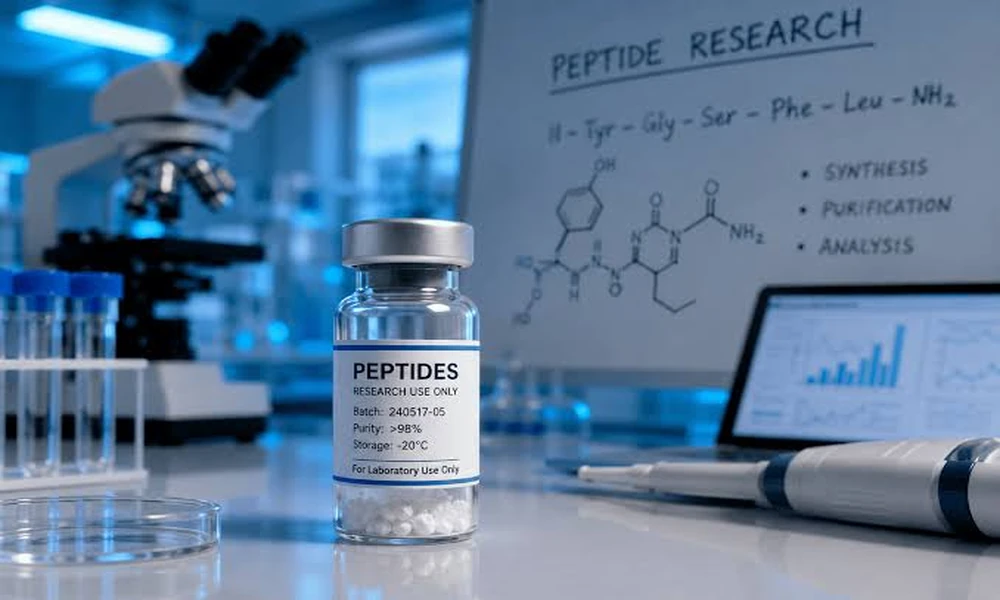
Physical packaging can support document checks. A batch number should correspond with certificate records. Product naming should remain consistent across available paperwork. Label information may also show storage guidance or stated specifications. These small details help establish whether documentation belongs to the actual item.
A certificate should never function alone. Packaging records, laboratory details, and batch identifiers create a connected evidence trail. That approach shifts attention from attractive claims toward verifiable information.
Documentation Can Reveal More Than Claims
A matching batch number, testing date, and laboratory record create useful evidence. Those details transform a certificate from paperwork into a verification tool. For careful buyers, the most meaningful question is not whether documentation looks professional. It is whether each recorded detail connects convincingly to the specific batch.
FAQs
What is a batch certificate?
It records testing information linked to one specific production batch. The document can include identity, purity, methods, dates, and results.
Why does the batch number matter?
A matching number connects the certificate with physical packaging. That connection supports traceability during product verification.
Does purity prove overall quality?
Purity represents one measured characteristic from testing. Other documented specifications can provide additional quality information.
Should certificate dates be checked?
Yes, dates help establish when testing occurred. Recent records can also clarify which batch received analysis.
