

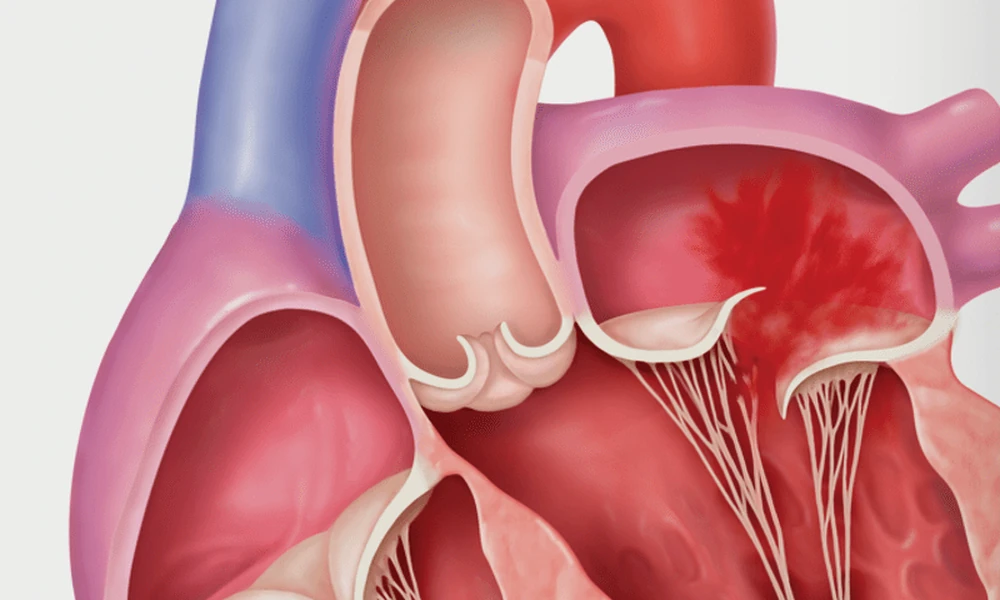
Your heart has to work well for you to stay active day to day. Valve problems can reduce physical strength and make ordinary tasks harder, so they deserve attention. The mitral valve keeps blood moving in the right direction inside the heart. If it stops working properly, the right medical care can often improve how it functions. For eligible patients, transcatheter mitral valve replacement (TMVR) provides an advanced treatment option that may help improve mitral valve function.
Recognising Valve-Related Changes
The mitral valve sits between two chambers on the left side of the heart and controls the flow between them. If the valve weakens or doesn’t close fully, the heart has to work harder. Patients may feel tired during routine activities, find physical tasks more difficult than before, or notice that their stamina has dropped. A medical assessment at this stage is useful. It helps specialists understand what is changing and recommend care that suits the patient’s condition.
Assessing Suitable Care Options
Before suggesting any treatment, doctors look closely at the valve. Echocardiography is usually the main test because it shows the valve’s structure and how well it opens and closes. Other examinations can add detail about the patient’s overall health. The final decision depends on how severe the problem is and what the individual needs. Common approaches include:
- Regular checkups to track any changes in valve function
- Prescribed medicines to manage symptoms under medical supervision
- Valve repair to improve the function of the affected tissue
- Valve replacement for more serious valve problems
- Follow-up examinations to review progress after treatment
Exploring Advanced Valve Procedures
Doctors now have more than one way to treat serious valve problems. Through transcatheter mitral valve replacement (TMVR), doctors guide a replacement valve into the heart through a catheter, using medical imaging to position it accurately. This approach may suit selected patients who need an alternative to conventional open surgery. It isn’t right for everyone. Specialists review each patient’s condition carefully before deciding whether it is an appropriate option.
Supporting Everyday Heart Function
Medical treatment works best when it comes with sensible daily habits. Patients should follow their doctor’s advice on physical activity and take medicines as prescribed. Gentle movement within the limits their doctor recommends helps them keep up their strength. A manageable daily routine and enough rest also matter, because they give the body time to recover.
The right medical care, combined with healthy daily habits, can support better heart function. When patients know which procedures are available, they can have clearer conversations with their specialists. Following professional advice and attending regular assessments help keep treatment on track and support overall wellbeing.
