

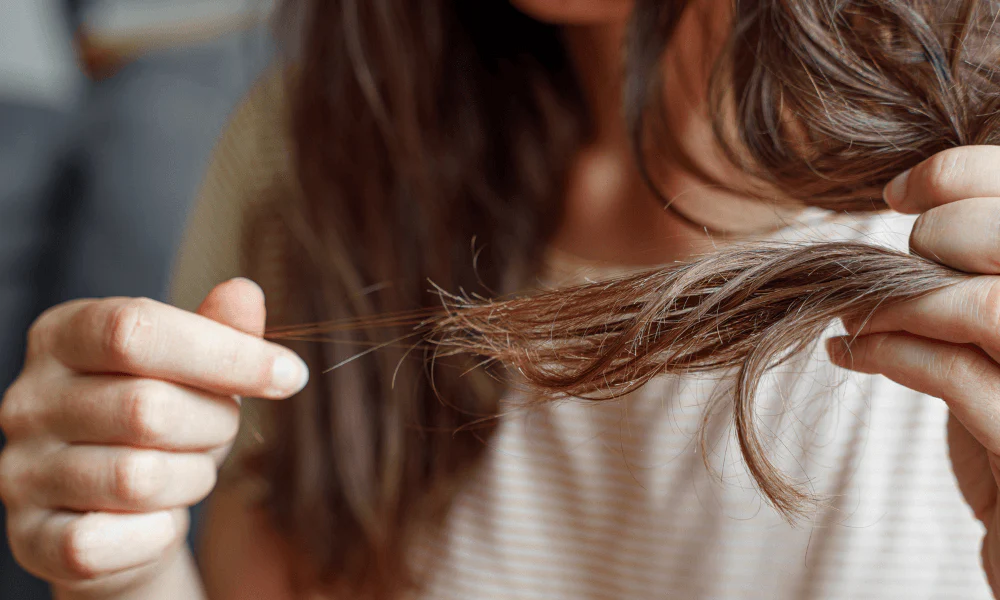
Hair loss can be a distressing and frustrating experience. While it’s perfectly normal to shed a few strands daily, excessive hair fall can often signal an underlying issue. One of the most common culprits? Hormonal imbalances. If you’re living in Kansas City, your hair loss may be influenced not only by internal hormone changes, but also by local lifestyle factors, diet, and environmental conditions.
Let’s break down the connection between hormones and hair health, and how to manage it.
Understanding the Link Between Hormones and Hair Loss
Hormones are your body’s chemical messengers, regulating key processes that keep you healthy. When these hormones get out of balance, they can wreak havoc on many bodily functions, including hair growth. Here are some common hormonal triggers for hair loss:
Polycystic Ovary Syndrome (PCOS)
This condition causes an overproduction of androgens, the “male” hormones present in both men and women. Excess androgens can shrink hair follicles and make hair thinner, causing issues like female pattern baldness.
Thyroid Disorders
Both hypothyroidism (underactive thyroid) and hyperthyroidism (overactive thyroid) can disrupt the hair’s growth cycle. These conditions often lead to diffuse hair thinning, where hair falls out evenly across the scalp.
Stress-Related Hormone Changes
High levels of stress can spike cortisol, a stress hormone that disrupts your hair’s natural cycle, causing Telogen Effluvium. This condition leads to hair shedding, often triggered by big life changes, illness, or emotional stress.
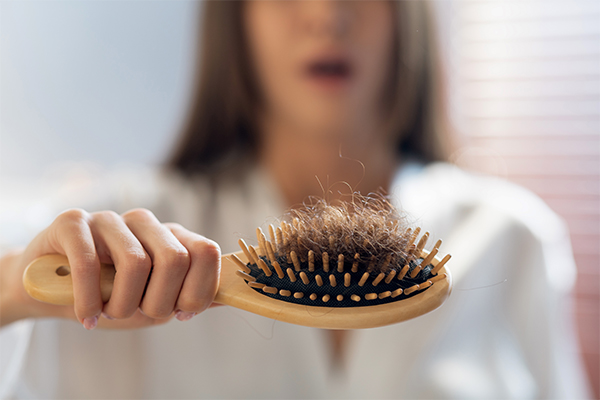
Factors Contributing to Hormonal Imbalances
Living in Kansas City comes with its unique set of lifestyle and environmental influences on hormonal health and hair loss. Here are some contributing factors:
Dietary Habits
Kansas City’s rich BBQ culture and heavy comfort foods can be a joy for your taste buds but may fall short nutritionally. Frequent consumption of high-sugar or fatty foods can lead to insulin resistance, which is linked to PCOS and other hormonal imbalances. Meanwhile, nutrient deficiencies like low iron or vitamin D exacerbate hair fall.
Seasonal Weather Shifts
Kansas City is known for its extreme weather swings, from chilly winters to hot, humid summers. Sudden changes in temperature and humidity can alter your scalp health and contribute to dryness or oil buildup, indirectly impacting hair growth.
Environmental Stressors
Rising pollution levels in urban areas of Kansas City can lead to scalp inflammation and oxidative stress, which weakens hair follicles over time.
Active, Fast-Paced Lifestyle
Whether it’s juggling work commitments in downtown Kansas City or attending sporting events and festivals, a busy schedule often leaves little room for self-care. High levels of stress can easily throw hormones off balance and lead to hair issues.
How to Manage Hormonal Health and Reduce Hair Fall
The good news? You can take steps to improve hormonal health and minimize hair loss. Here are some practical tips:
Adopt a Balanced Diet
Incorporate nutrient-rich foods like leafy greens, fatty fish, nuts, and whole grains into your meals. Kansas City’s farmers’ markets, like the City Market, are excellent spots to pick up fresh produce and hormone-balancing ingredients.
Stay Active
Regular physical activity helps regulate stress hormones and improve blood circulation, which benefits your scalp. Consider a brisk walk along the scenic trails at Loose Park or try yoga classes to manage stress effectively.
Prioritize Stress Management
Chronic stress is a major contributor to hair loss. Take advantage of Kansas City’s wellness-focused spaces, such as meditation classes or spa treatments, to unwind and keep cortisol levels in check.
Check Your Hormones
If you suspect hormonal imbalances, consult with a healthcare provider. Clinics in Kansas City offer hormone panel tests to diagnose conditions like PCOS or thyroid disorders. Early intervention is key to preventing long-term hair loss.
Choose Gentle Hair Care Products
Opt for sulfate-free shampoos and conditioners that nourish your scalp without irritating it. Many local Kansas City stores like Made in KC sell natural, locally crafted products for sensitive scalps.
Conclusion
Hair loss driven by hormonal imbalances is a multifaceted issue, and if you’re living in Kansas City, local lifestyle and environmental factors could play a role as well. By making small but intentional changes to your diet, stress levels, and daily routines, you can support hormonal health and reduce hair fall.
